
3.5MW Solar Power Plant EPC One-Stop Solution:
Full Configuration, Technical Parameters & Complete Construction Process
1. Standard EPC Construction Process for 3.5MW Solar Power Plants
- Site Survey & System DesignComprehensive evaluation of solar irradiance, terrain bearing capacity, grid connection points and access requirements to deliver optimized design and construction drawings.
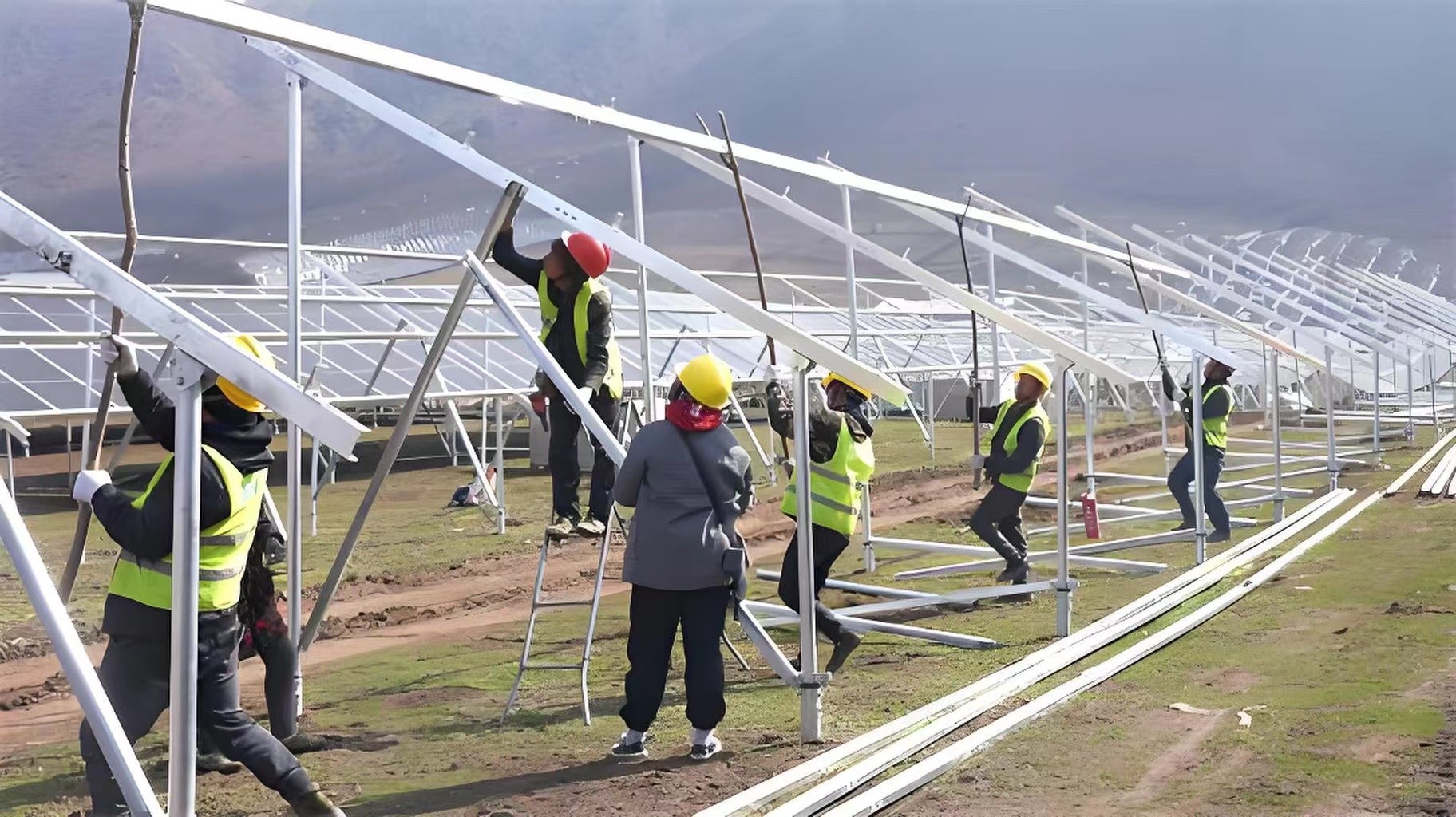
- Foundation & Mounting StructurePile or independent foundation construction, precise embedded parts installation, and mounting structure fixing for structural stability.
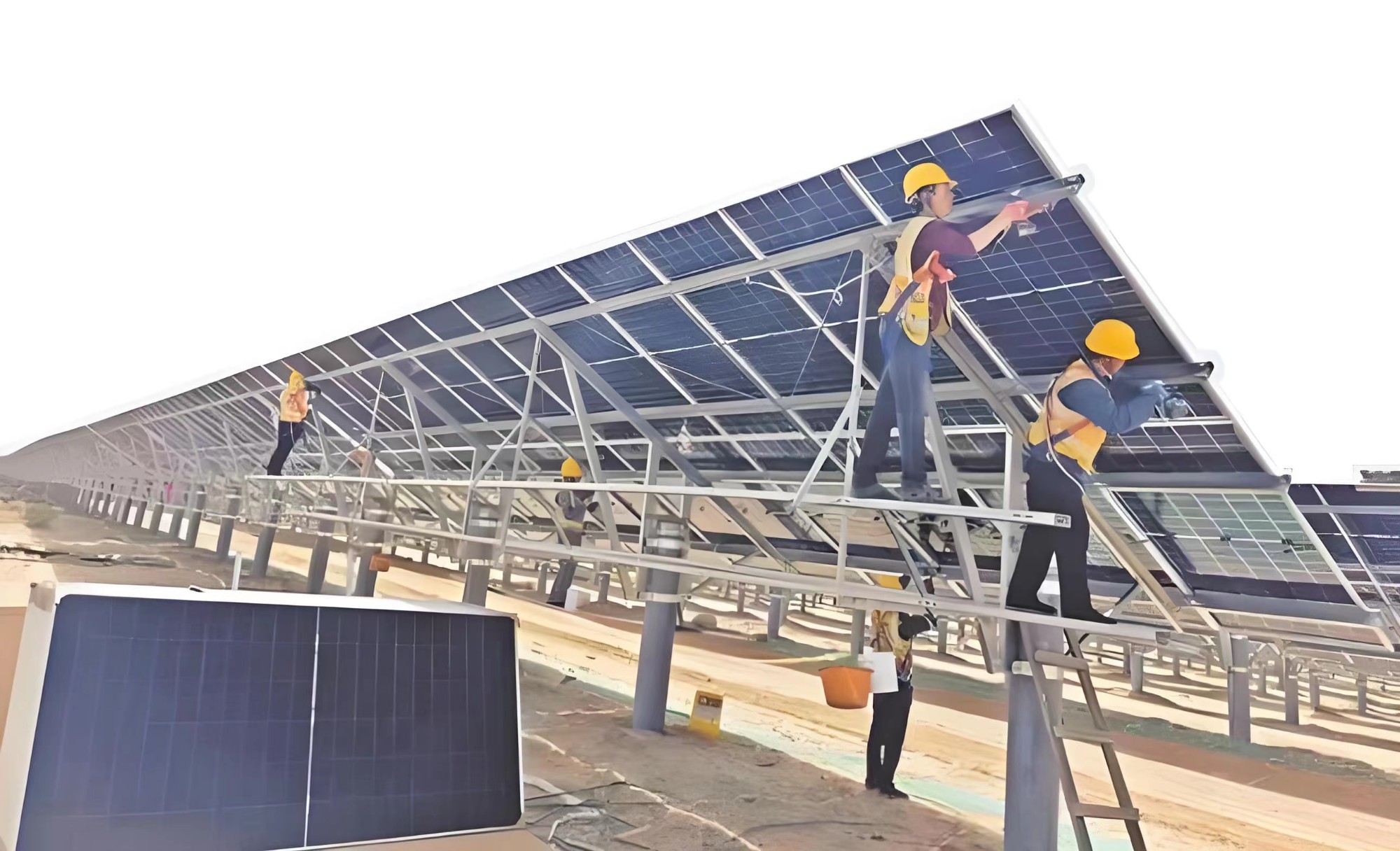
- Equipment InstallationSequential installation of PV modules, string inverters, combiner boxes, power distribution cabinets and energy storage containers (if applicable).
- Electrical System ConstructionDC and AC cable laying, lightning protection and earthing, surge protection, and integrated wiring for power and control systems.
- Commissioning & Grid ConnectionUnit testing, integrated system debugging, grid connection formalities, acceptance and final handover for power generation.
2. Core System Configuration for 3.5MW Solar Power Plant
1) PV Modules (Power Generation Core)
Type: N-type TOPCon high-efficiency monocrystalline module
Power per panel: 580W
Quantity: 6,034 units (for 3.5MW total capacity)
Efficiency: ≥23.8%
Structure: 3.2mm double-glass tempered, anodized aluminum frame
Protection: IP68
Warranty: 25-year linear power warranty, annual degradation ≤0.5%
2) PV Inverters (Energy Conversion Core)
Model: 110kW grid-tied string inverter
Quantity: 32 units
Max efficiency: ≥98.8%
MPPT efficiency: ≥99%
Protection: IP65
Functions: Wi‑Fi/4G remote monitoring, PID recovery, wide climate adaptability
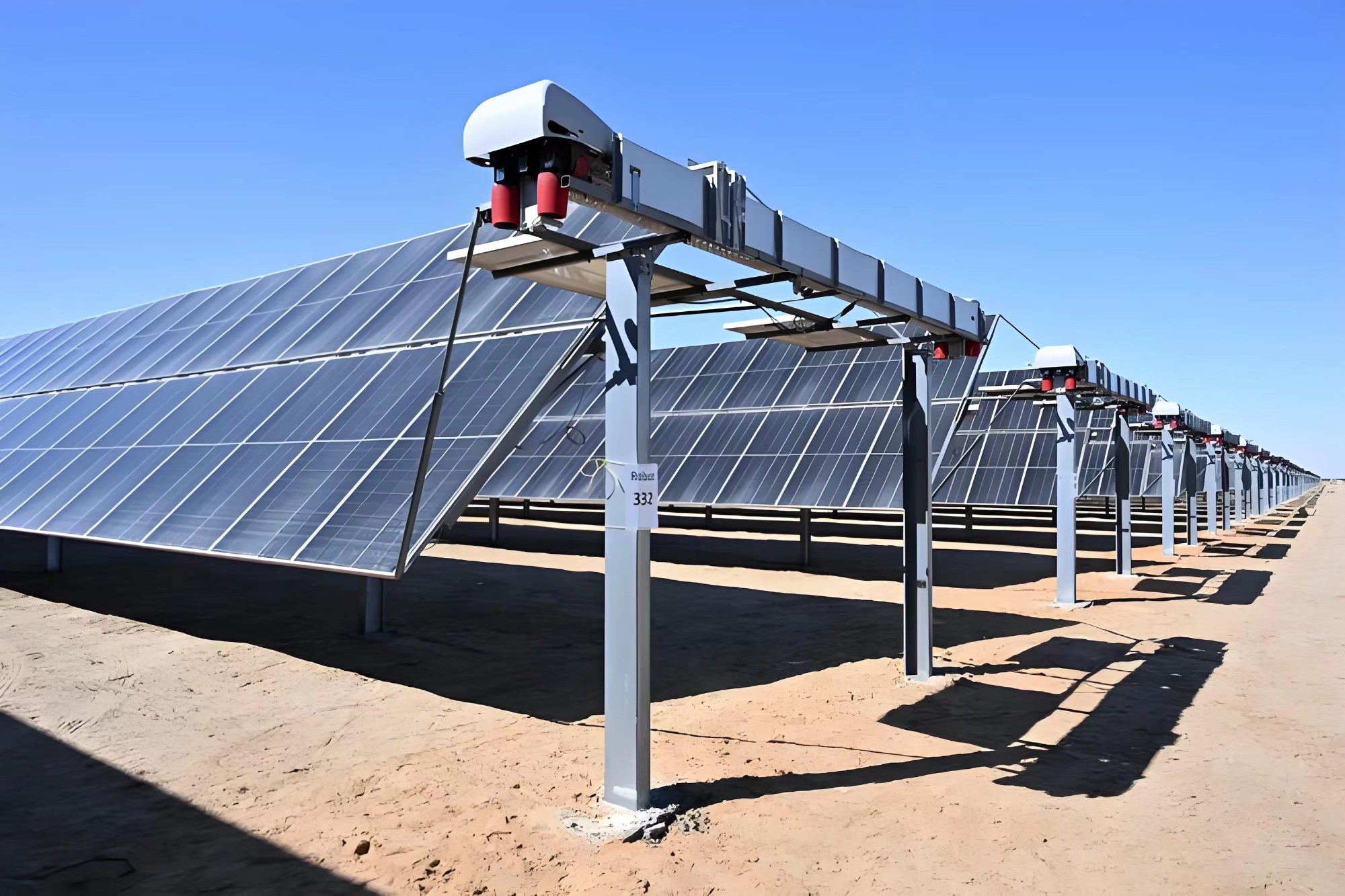
3) Mounting System
Material: Q235B hot-dip galvanized steel / AL6005-T5 aluminum alloy
Wind resistance: ≥160 km/h
Snow load: ≥0.7 kN/m²
Corrosion resistance: 4800-hour neutral salt spray test, service life ≥25 years
Applications: ground-mounted, hilly, woodland, agrivoltaic projects
4) Electrical Auxiliary Systems
DC cable: PV1-F 6mm², UV-resistant, operating temperature -40℃~85℃, flame-retardant
Combiner box: 16-in-1 outdoor lightning-protected type with SPD and circuit breakers
Distribution cabinet: outdoor integrated cabinet with metering, protection, isolation and communication
5) Energy Storage System (Optional, Solar-Storage Hybrid)
Configuration: 1MW/2MWh lithium iron phosphate (LFP) battery system
Cycle life: ≥6000 cycles
Efficiency: ≥95%
Functions: peak shaving, valley filling, emergency backup power
3. Key Technical Indicators (Industry Standard)
Total system capacity: 3.5 MW
System architecture: AC-coupled grid-tied / solar-storage hybrid
Rated voltage: AC 400V / 690V
Operating temperature: -30℃ ~ +60℃
Annual equivalent full-load hours: 1100–1500h (based on location irradiance)
Overall system efficiency: ≥85%
Estimated annual power generation: 3.85–5.25 million kWh
Design service life: ≥25 years
