A professional technical reference for government energy projects, national power utilities, engineering institutes, EPC contractors, and renewable energy investors.
Global Renewable Energy Development Trends
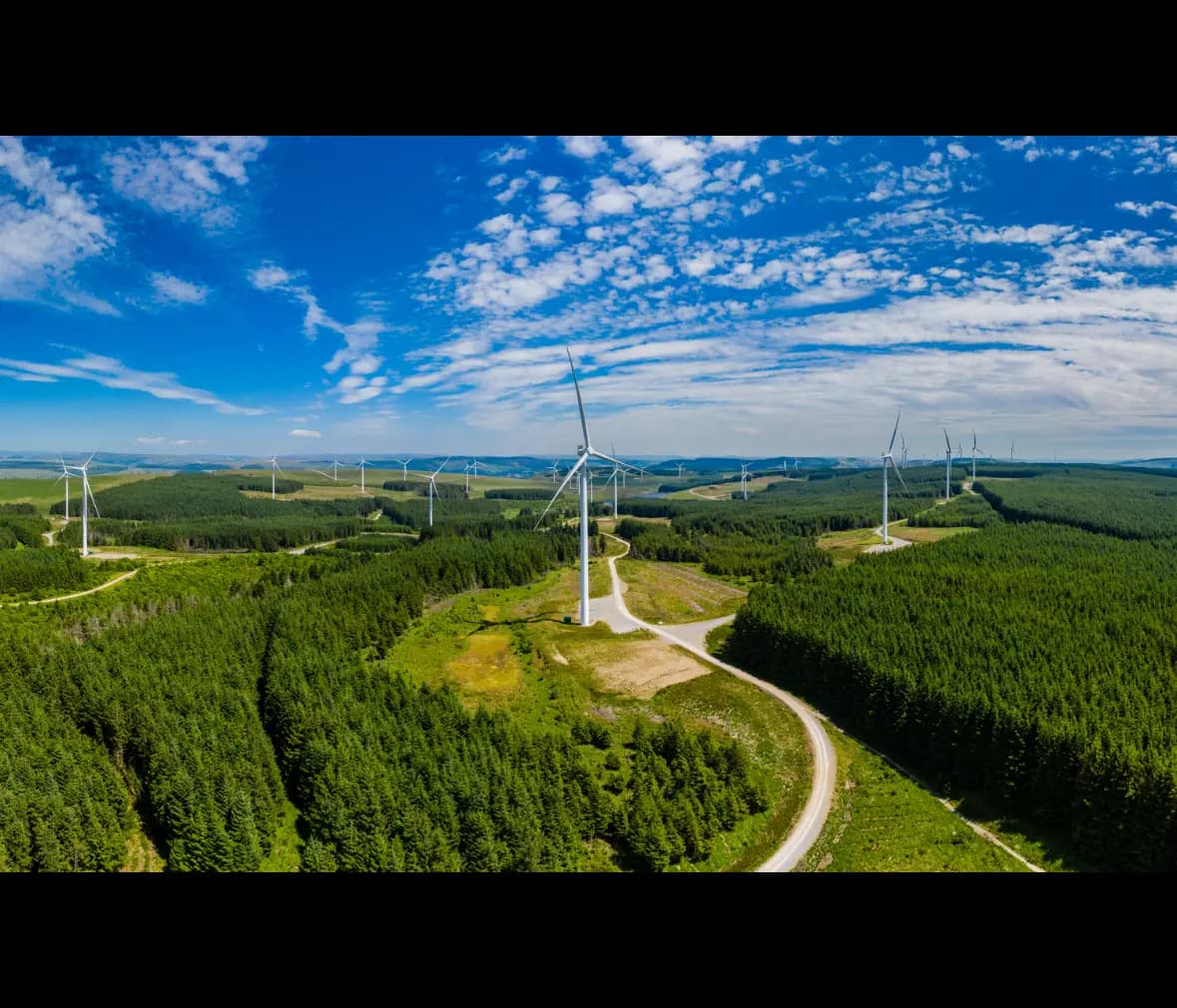
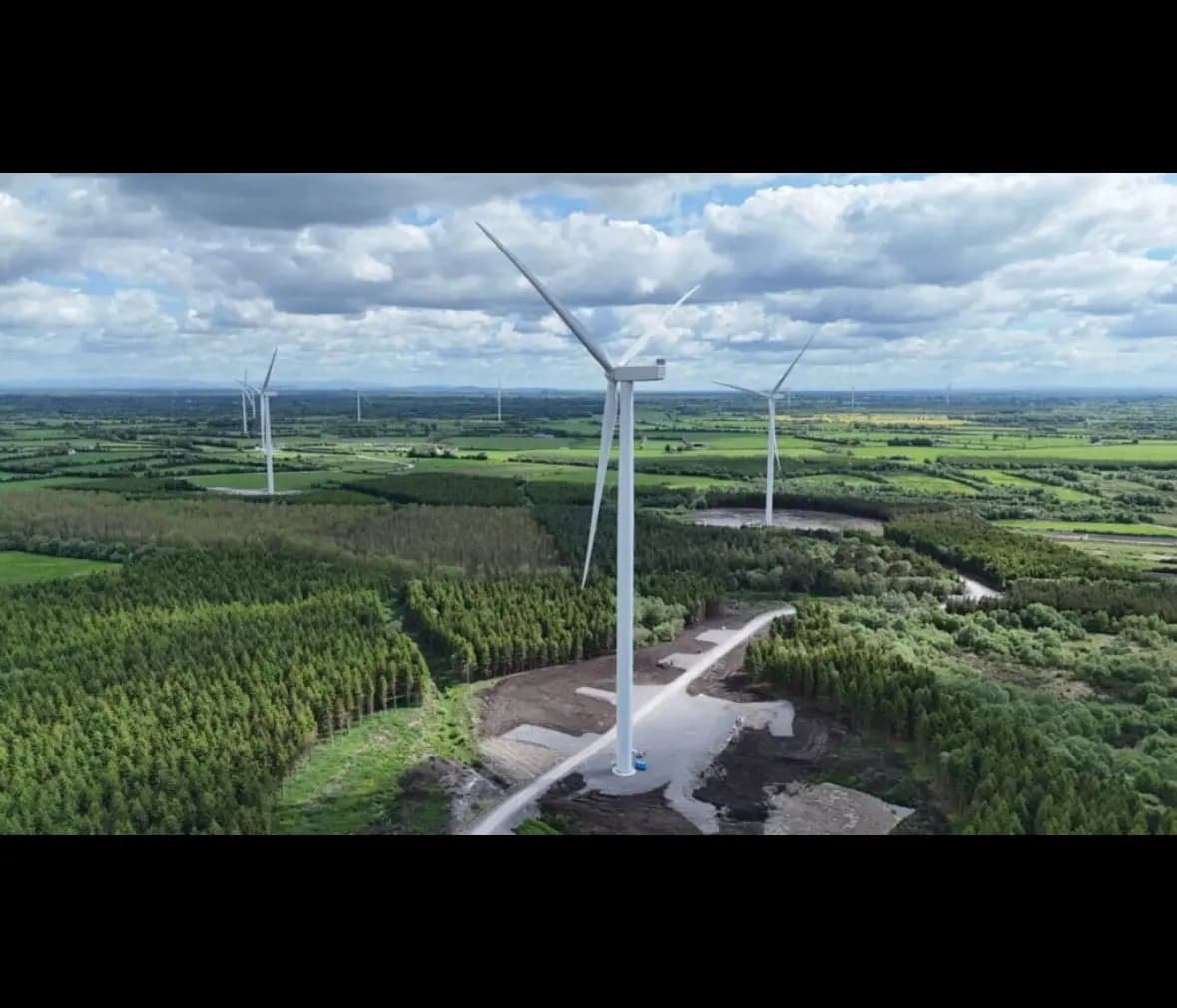
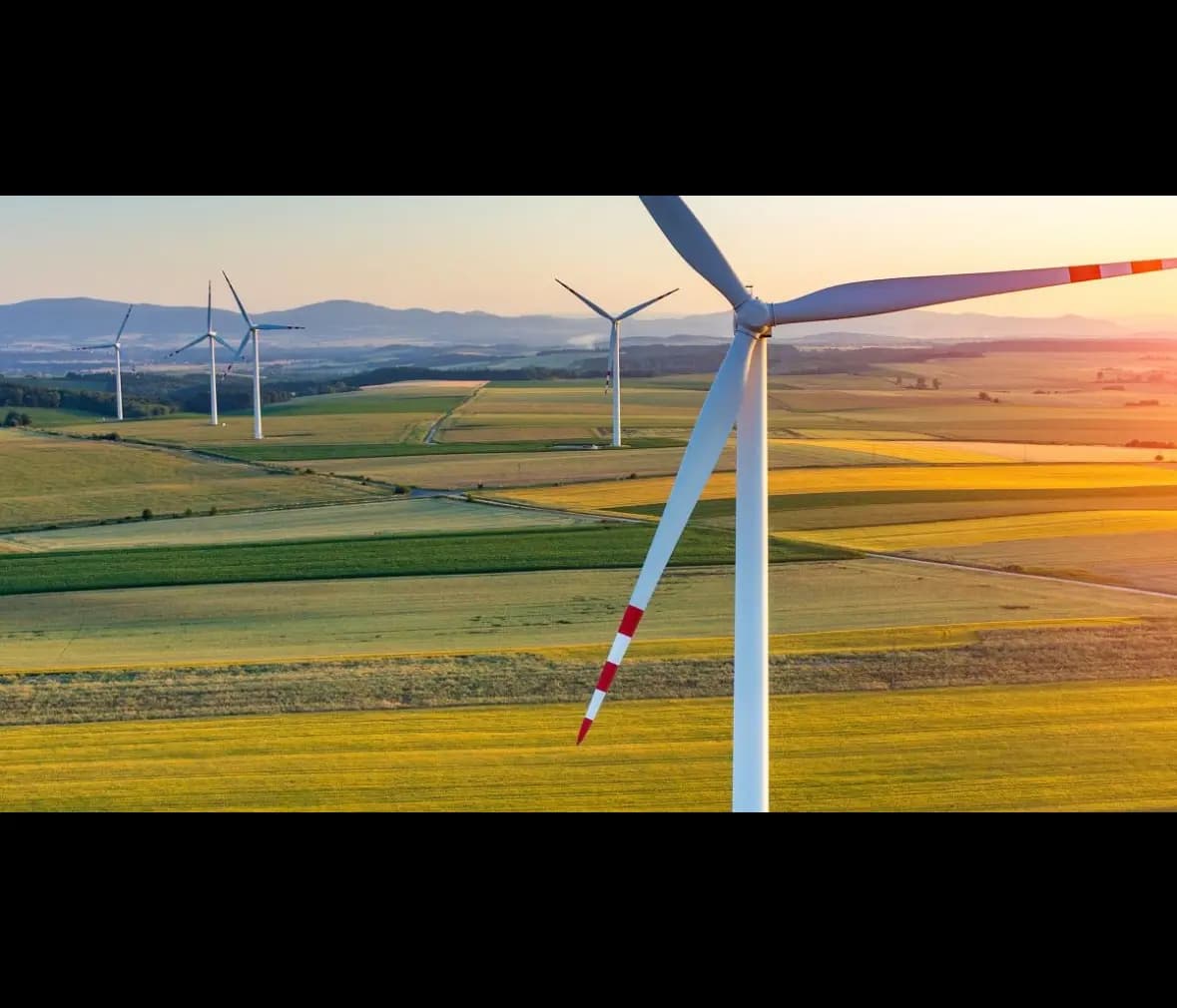
Driven by global energy transition and carbon neutrality policies, wind power and solar photovoltaic (PV) generation have become two of the most important renewable energy technologies worldwide. According to statistics from the International Energy Agency (IEA), the share of renewables in newly installed global power capacity continues to increase, with wind and solar being the fastest-growing energy sources.
Across the Middle East, Africa, Southeast Asia, Central Asia, Russia, Latin America, and Europe and North America, governments are rapidly advancing the development of large-scale renewable energy power plants to reduce dependence on fossil fuels and enhance energy security.
Large renewable energy projects are typically implemented through collaboration among government energy authorities, national power utilities, engineering design institutes, and EPC contractors. These projects involve multiple critical stages, including resource assessment, power plant planning, equipment selection, engineering construction, grid integration, and long-term operation and maintenance.
In practical project planning, wind power and solar photovoltaic systems each have distinct technical characteristics. Through scientifically designed energy mix strategies, higher power generation efficiency and lower levelized cost of electricity can be achieved.
Core Technology Comparison: Wind Power vs Solar Photovoltaics
Capacity Factor
Capacity factor is one of the most important indicators used to measure renewable power generation performance.
Onshore wind power projects typically achieve capacity factors between 25% and 45%, and in high-quality wind resource regions this can exceed 50%. Wind turbines can operate around the clock, providing relatively stable power output for large-scale renewable power plants.
Solar photovoltaic generation depends on solar irradiance, with typical capacity factors ranging from 15% to 25%. In high-irradiance regions such as the Middle East, North Africa, and Australia, PV power plants can reach capacity factors of 25% to 30%.
Annual Equivalent Utilization Hours
Annual equivalent utilization hours are another key metric used to evaluate the power generation performance of renewable energy plants.
Typical values are as follows:
Wind Power Projects
2000 – 3500 hours / year
Solar PV Power Plants
1200 – 2000 hours / year
In regions with superior resource conditions, the generation efficiency of both wind and solar plants can be significantly higher.
Levelized Cost of Electricity (LCOE)
The Levelized Cost of Electricity (LCOE) is a critical indicator for investment decision-making in renewable energy projects.
For onshore wind power in regions with strong wind resources, the LCOE typically ranges from:
0.03 – 0.06 USD/kWh
For utility-scale solar PV power plants in high-irradiance regions, the LCOE typically ranges from:
0.02 – 0.05 USD/kWh
With continuous technological advancements and declining equipment costs, both wind and solar power have become among the most competitive electricity generation sources in many countries.
Global Core Technical Indicators Comparison of Wind Power and Solar PV
| Technical Indicator | Wind Power Generation | Solar Photovoltaic (PV) |
| Capacity Factor | 25%–45% | 15%–25% |
| Annual Equivalent Utilization Hours | 2000–3500 h | 1200–2000 h |
| Equipment Service Life | 20–25 years | 25–30 years |
| Construction Period | 12–24 months | 6–12 months |
| Land Requirement | Relatively low | Relatively high |
| O&M Complexity | Medium | Relatively low |
| Power Generation Characteristics | Random fluctuation | Diurnal cycle fluctuation |
Investment Cost Analysis of Renewable Power Plants (CAPEX and OPEX)
In renewable energy project investment analysis, it is essential to evaluate both capital expenditures (CAPEX) and operational expenditures (OPEX).
The main construction costs of wind power projects typically include:
Wind turbines
Towers and foundation construction
Road construction and transportation
Grid connection infrastructure
Lifting and installation engineering
The operation and maintenance (O&M) costs of wind power projects mainly involve equipment maintenance, spare parts replacement, and remote monitoring systems.
The primary construction costs of solar photovoltaic (PV) projects include:
PV modules
Inverter systems
Mounting structures
Cables and power distribution systems
Power plant installation and construction
The O&M costs of solar PV power plants are relatively low, mainly consisting of module cleaning, equipment maintenance, and system monitoring.
Land Use and Climate Adaptability
The land occupied by wind turbine foundations typically accounts for less than 2% of the total wind farm area. The remaining land between turbines can still be used for agriculture or livestock grazing.
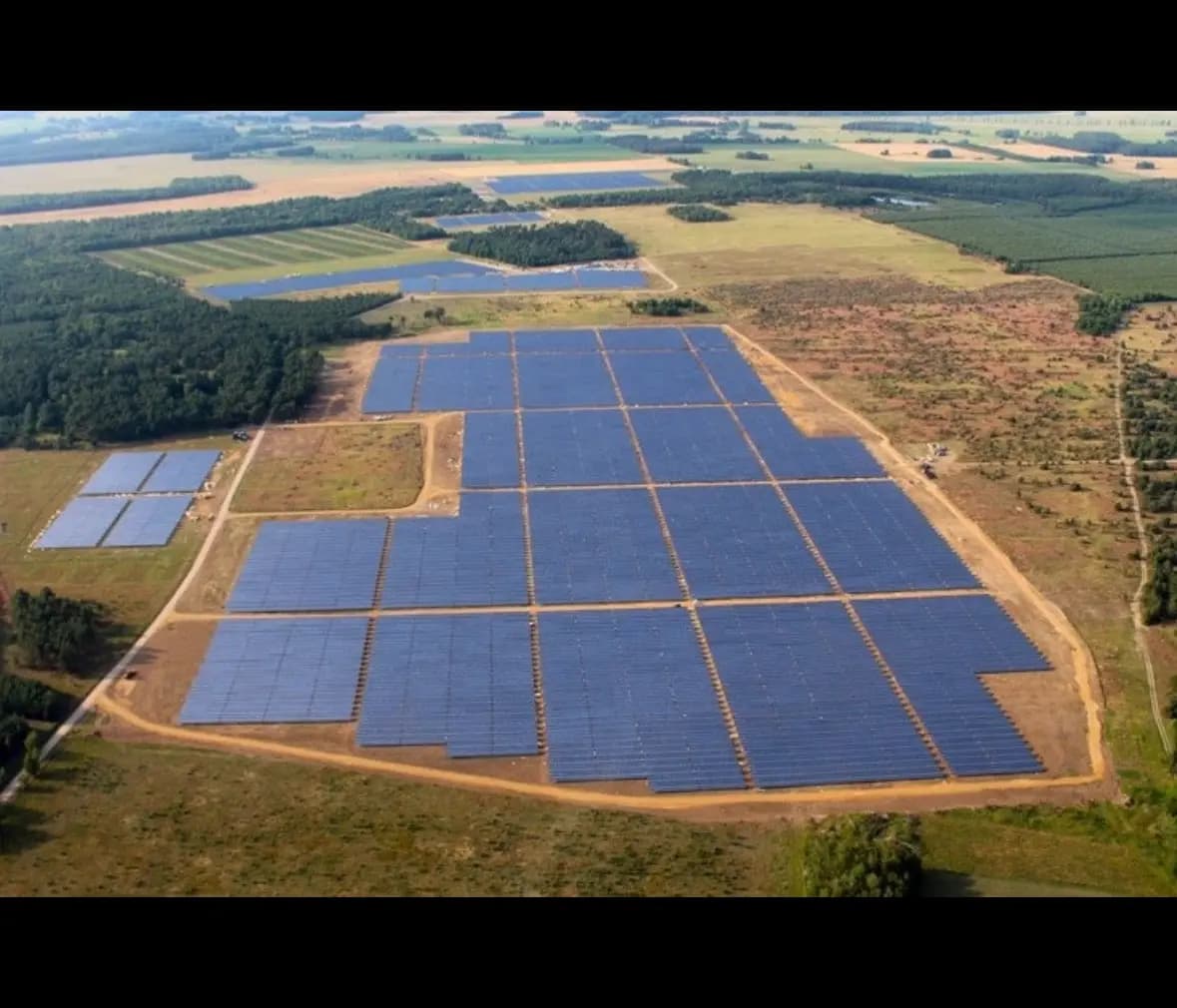
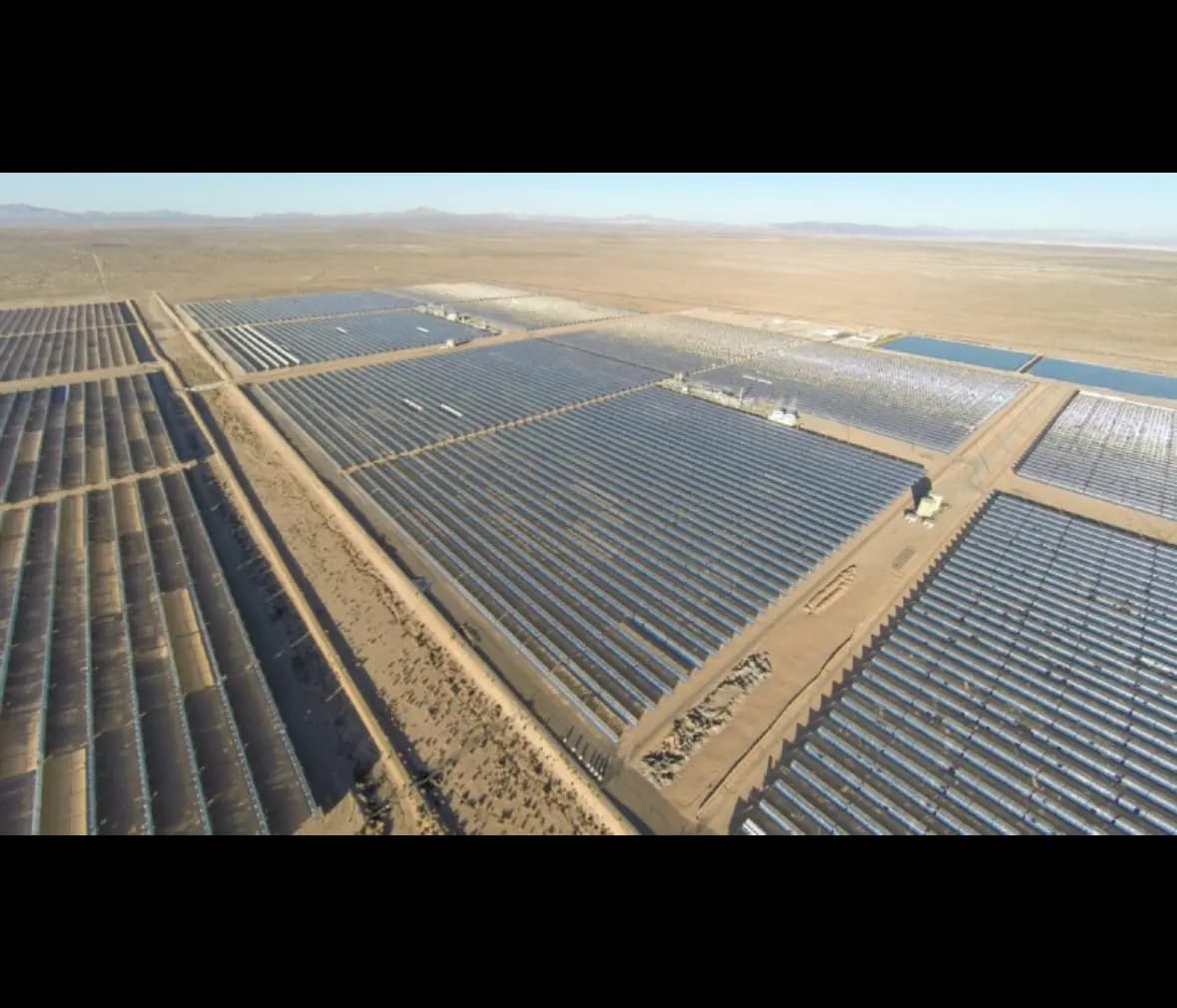
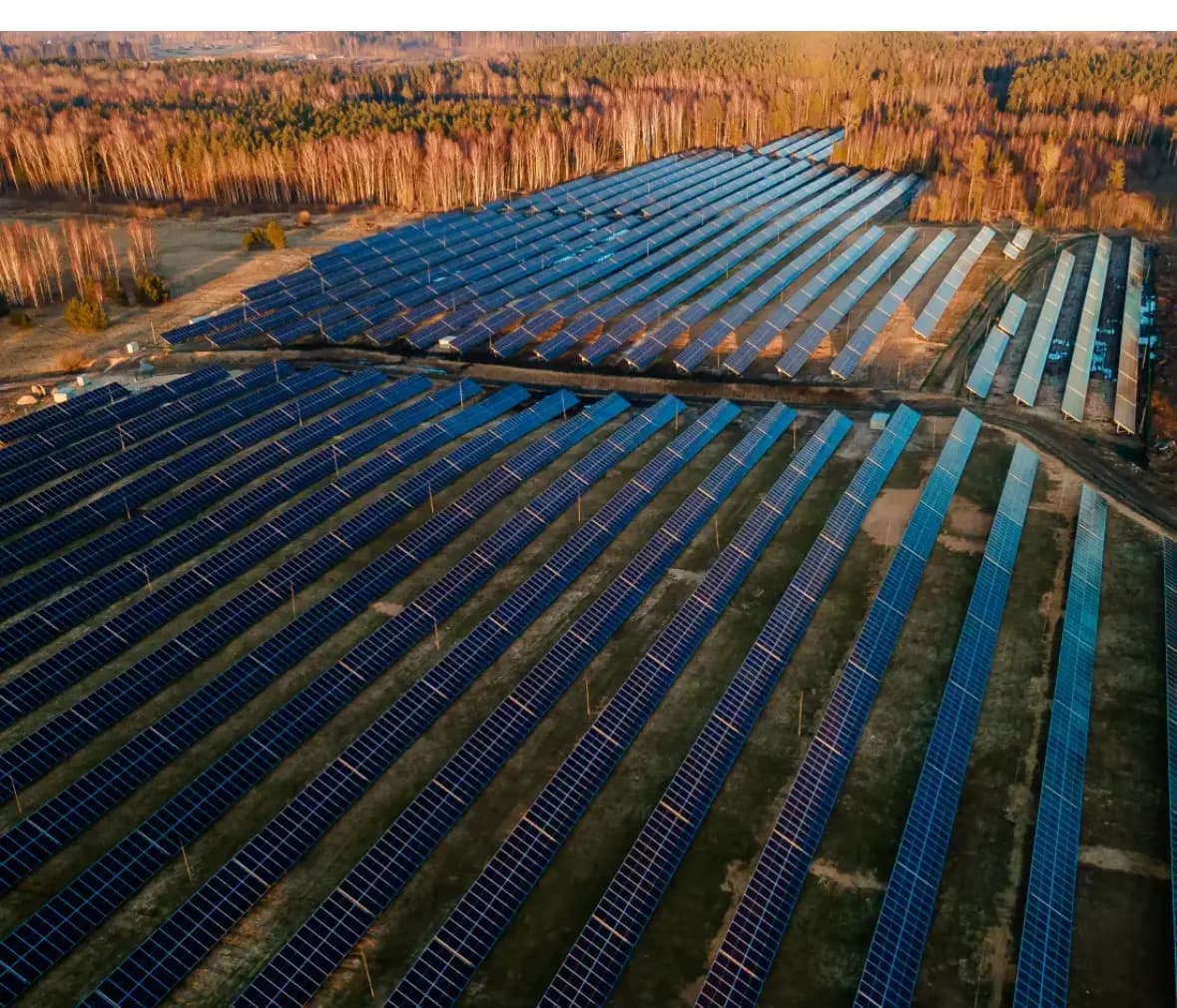
Solar PV power plants generally require continuous land areas. In most cases, 1 MW of PV capacity requires approximately 1.5 to 2 hectares of land. However, PV systems can also be installed on rooftops, water surfaces, parking structures, and desert areas, making their deployment highly flexible.
Modern wind and solar equipment are designed to operate in a wide range of extreme environments, including deserts, high-altitude regions, cold climates, and coastal areas.
Grid Integration and Renewable Energy Curtailment
During the planning stage of large-scale renewable power plants, it is essential to carefully evaluate the local grid’s capacity to absorb renewable energy, including:
Transmission line capacity
Grid dispatch capability
Regional load structure
Proper grid planning plays a crucial role in reducing wind and solar curtailment.
As the share of renewable energy continues to increase, grid dispatch systems and energy storage systems are becoming increasingly important in maintaining power system stability.
Integrated Wind–Solar–Storage Systems
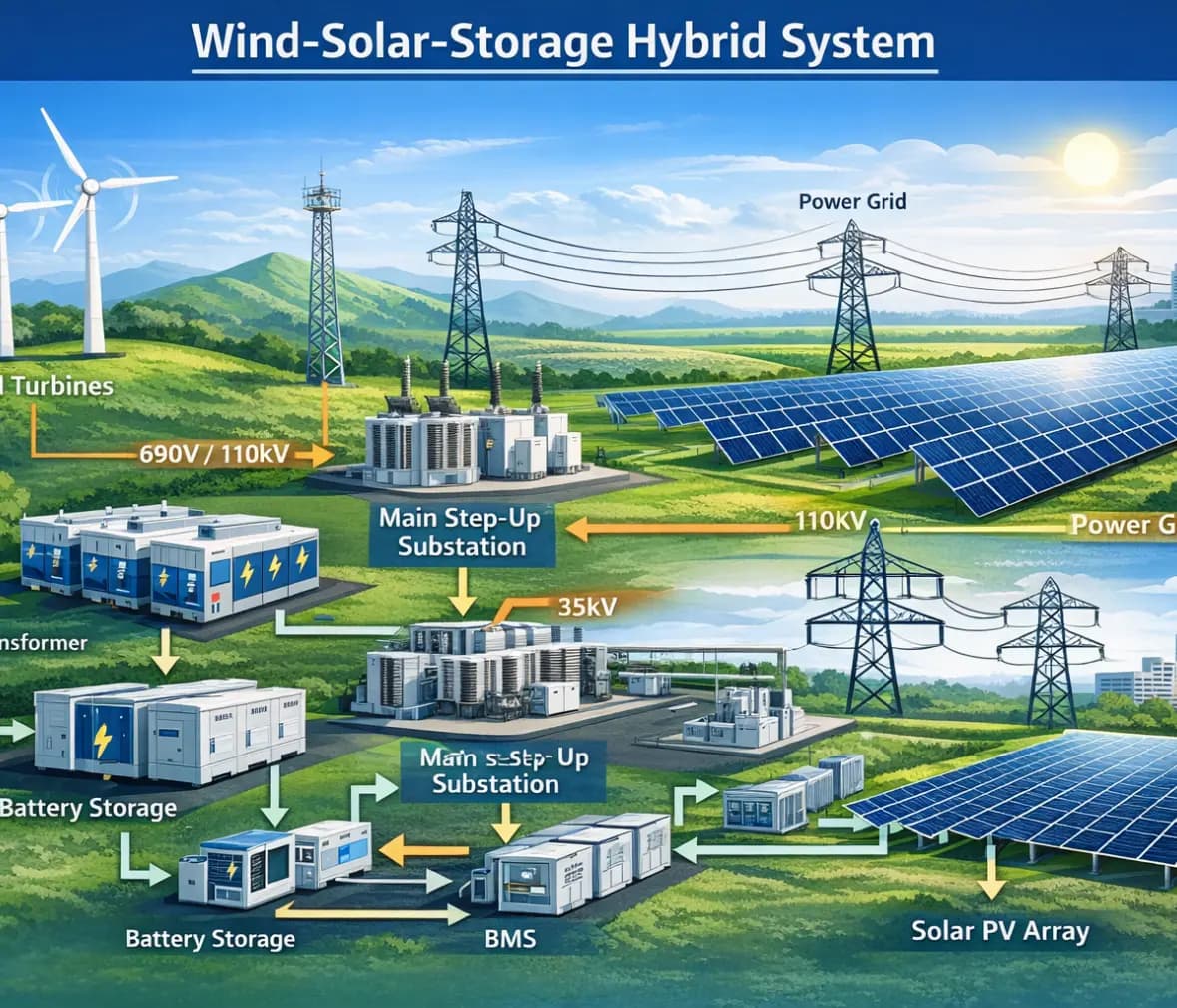
With the rapid expansion of renewable energy capacity, integrated wind–solar–storage systems have become a key development model for large renewable energy bases worldwide.
By combining wind power, solar photovoltaic generation, and energy storage systems, it is possible to create complementary energy configurations that enhance overall power system stability.
The main advantages of wind–solar–storage systems include:
Increasing renewable energy utilization rates
Reducing wind and solar curtailment
Smoothing power output fluctuations
Enhancing grid regulation capability
Energy Storage System Configuration Recommendations
In most renewable power plant projects, energy storage systems are typically configured at 10%–30% of the total installed generation capacity.
Energy storage systems can store surplus electricity during periods of low demand and release it during peak demand, enabling peak shaving and load balancing while improving grid stability.
Key Stages in EPC Project Implementation
Large renewable energy power plant projects are commonly implemented under the Engineering, Procurement, and Construction (EPC) model, which generally includes the following key stages:
Project planning and feasibility studies
Resource assessment and power plant design
Equipment procurement and supply chain management
Engineering construction and installation
Grid connection and system commissioning
Long-term operation and maintenance management
For government energy projects and large renewable energy bases, selecting experienced equipment suppliers and engineering teams is critical for project success.
Renewable Power Plant Project Selection Recommendations
Different types of projects require different energy configuration strategies.
National-level renewable energy bases
Typically adopt integrated wind, solar, and energy storage systems.
Industrial parks and mining projects
Can select wind plus storage or solar plus storage solutions depending on local resource conditions.
Distributed energy projects
Solar photovoltaic systems usually offer greater flexibility and economic advantages.
Global Renewable Energy Equipment and Solutions
We provide renewable power plant equipment and technical solutions for clients worldwide, including:
Wind power generation equipment
Solar photovoltaic systems
Energy storage systems
Integrated wind–solar–storage solutions
Renewable energy EPC engineering support
Our products and technical services are widely used in government energy projects, national power utility power plants, EPC engineering projects, and renewable energy investment developments.
Our service regions include the Middle East, Africa, Southeast Asia, Central Asia, Russia, Latin America, and European and North American markets.
Post time:Mar - 13 - 2026
