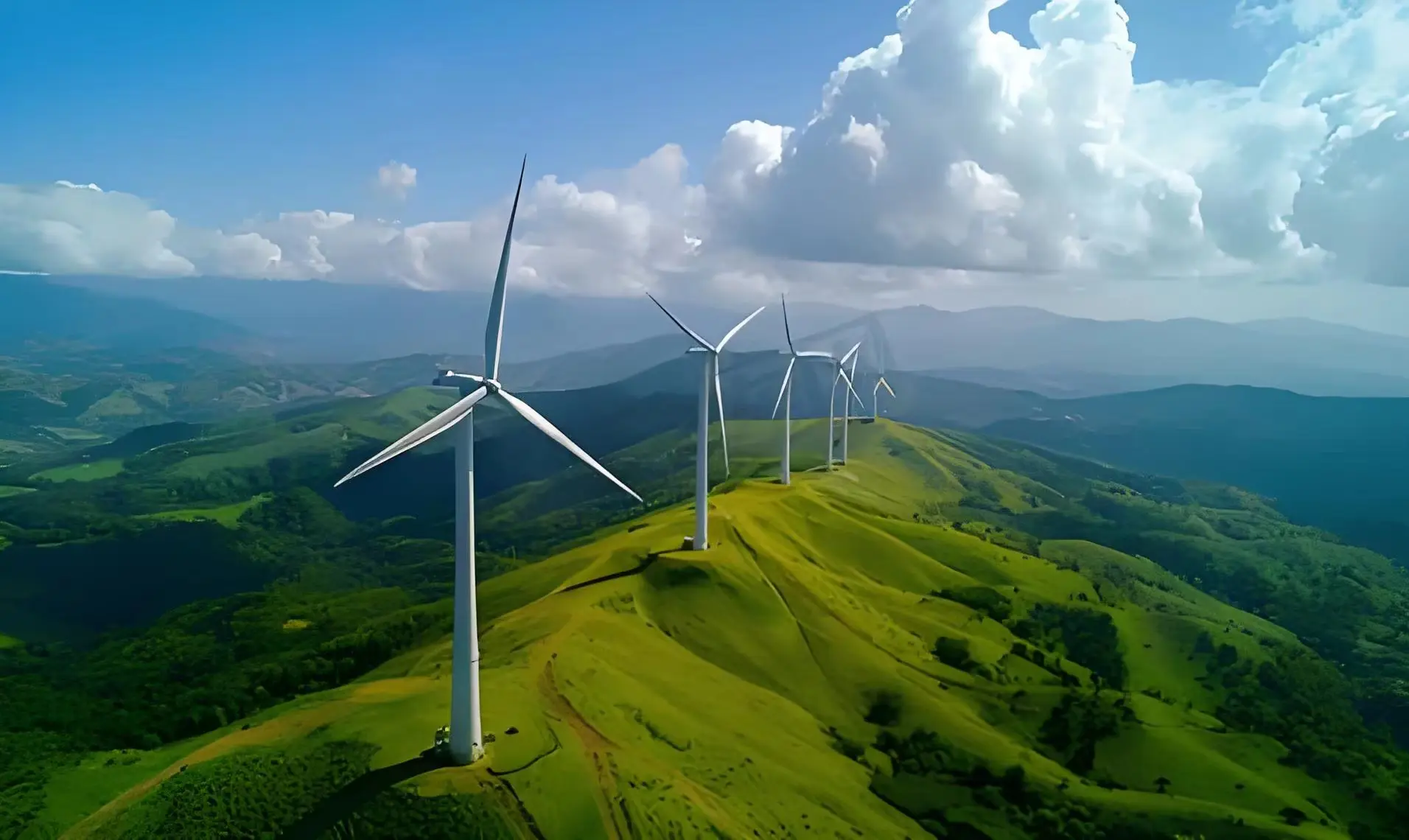
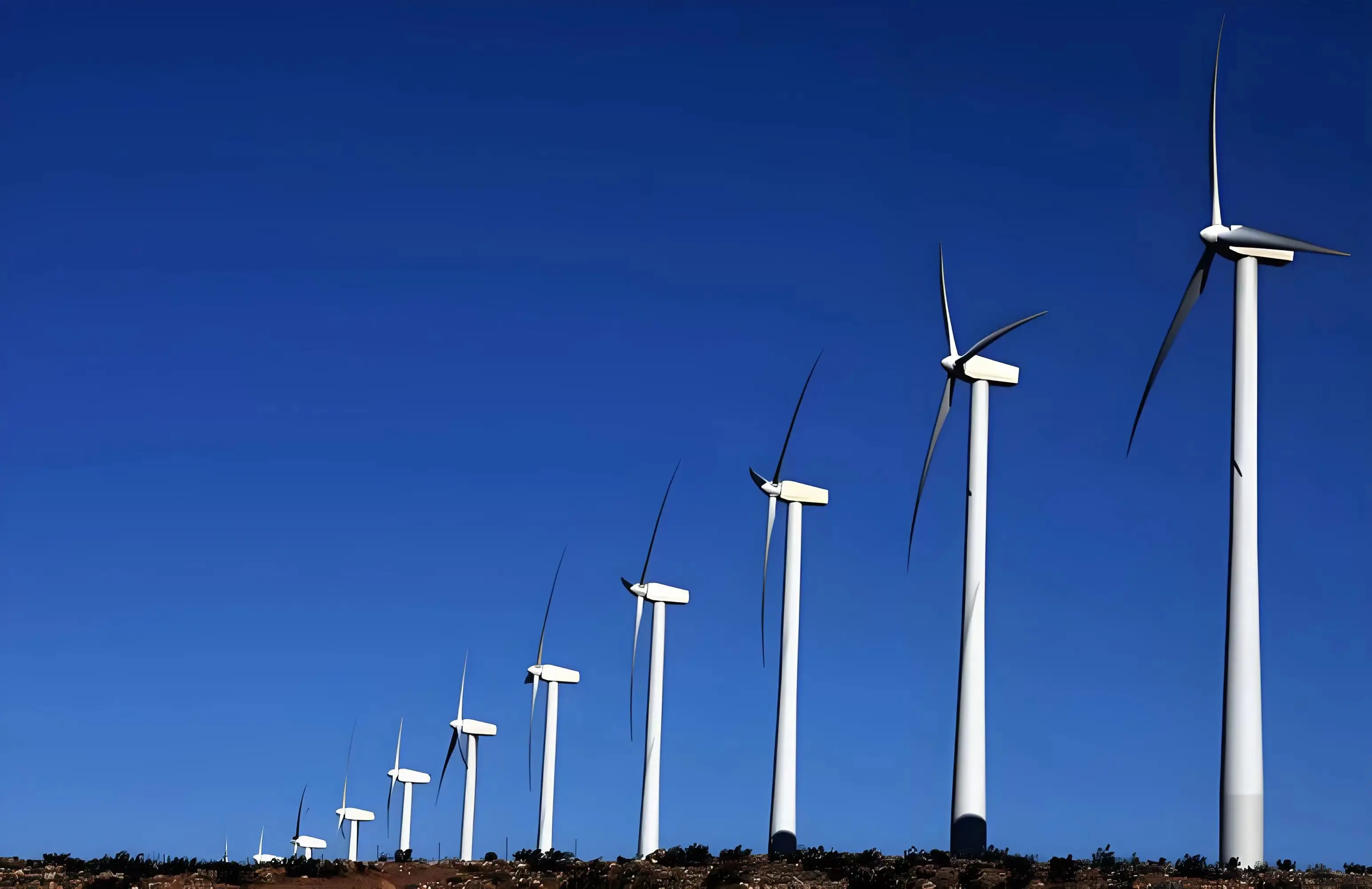
Large Wind Turbines15MW Offshore
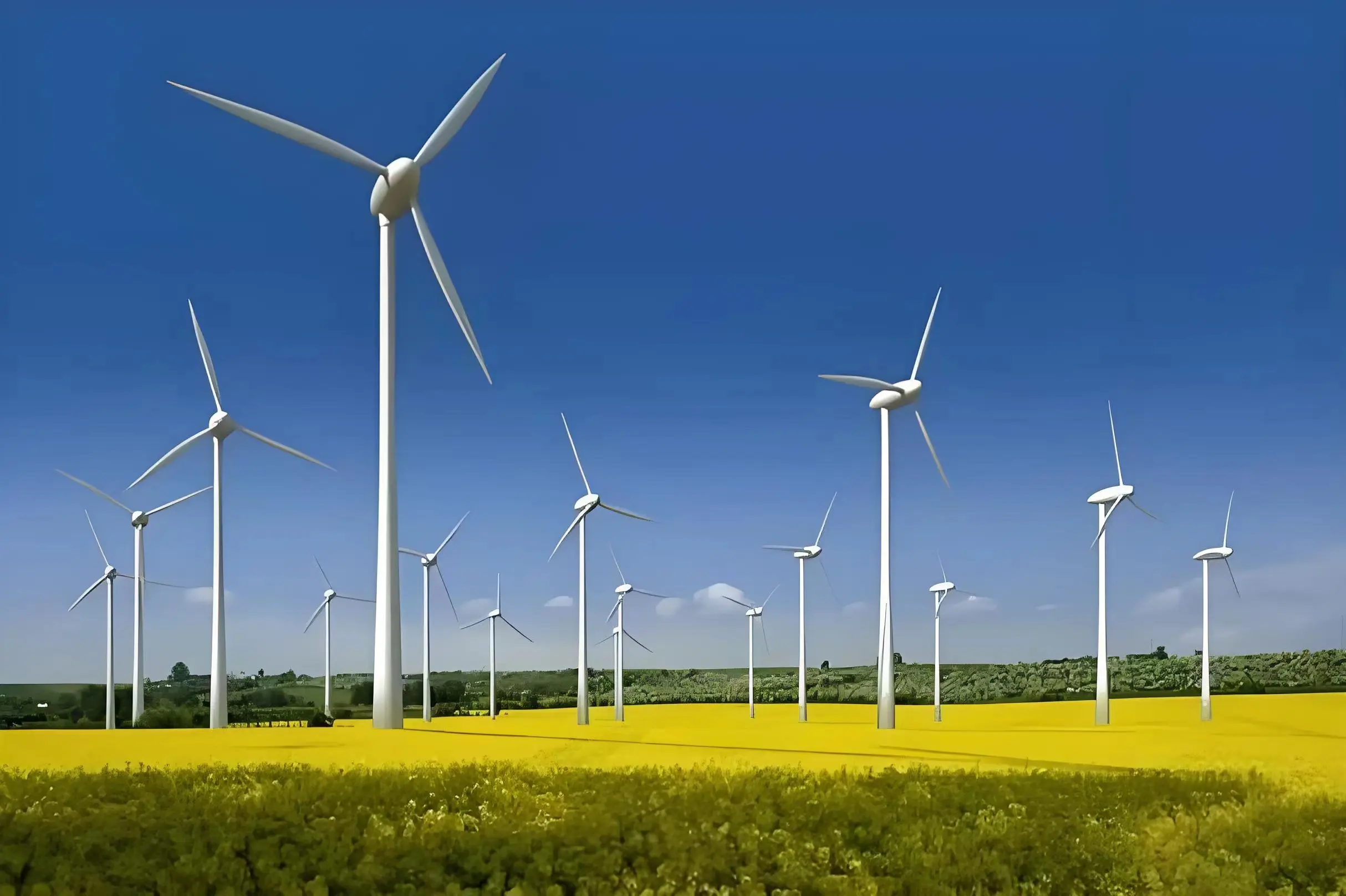
| Item | Specification |
| Rated Power | 15 MW |
| Generator Type | Offshore permanent magnet direct drive synchronous generator |
| Rotor Diameter | 236 m – 260 m |
| Blade Length | 115 m – 128 m |
| Swept Area | Approximately 45,000 m² – 53,000 m² |
| Cut-in Wind Speed | 3.0 m/s |
| Rated Wind Speed | 10.5 m/s |
| Cut-out Wind Speed | 25 m/s |
| Extreme Design Wind Speed | Approximately 70 m/s |
| Rated Voltage | 35 kV / 66 kV |
| Rated Frequency | 50 Hz / 60 Hz |
| Protection Class | IP55 / IP65 |
| Corrosion Protection Rating | ISO 12944 C5-M marine corrosion protection standard |
| Applicable Water Depth | 10 m – 60 m |
| Foundation Types | Monopile foundation Jacket foundation Floating foundation |
| Design Lifetime | 25 years |
| Annual Equivalent Full-Load Hours | 3500 h – 4500 h |
| Estimated Annual Energy Production | 50 million – 70 million kWh |
EPC Service Capabilities for Wind Power Projects
For large-scale wind power project construction, comprehensive technical and engineering support services can be provided, including:
Wind turbine equipment supply
Wind farm planning and technical consulting
Engineering institute technical support
Equipment export and international transportation
On-site installation and commissioning guidance
Wind farm operation and maintenance support
Frequently Asked Questions (FAQ)
What is the design lifetime of the turbines?
Onshore wind turbines typically have a design lifetime of 20 years, while offshore turbines generally have a design lifetime of 25 years.
What wind speed range do the turbines operate in?
Typical operating parameters are:
Cut-in wind speed: approximately 3 m/s
Rated wind speed: approximately 10 m/s
Cut-out wind speed: approximately 25 m/s
Can these turbines be used in large EPC projects?
Yes. The turbines are suitable for government renewable energy projects, national energy bases, and large EPC wind farm developments.
Are customized turbine models available?
Yes. Turbine configurations can be customized according to wind resources, terrain conditions, and grid requirements.